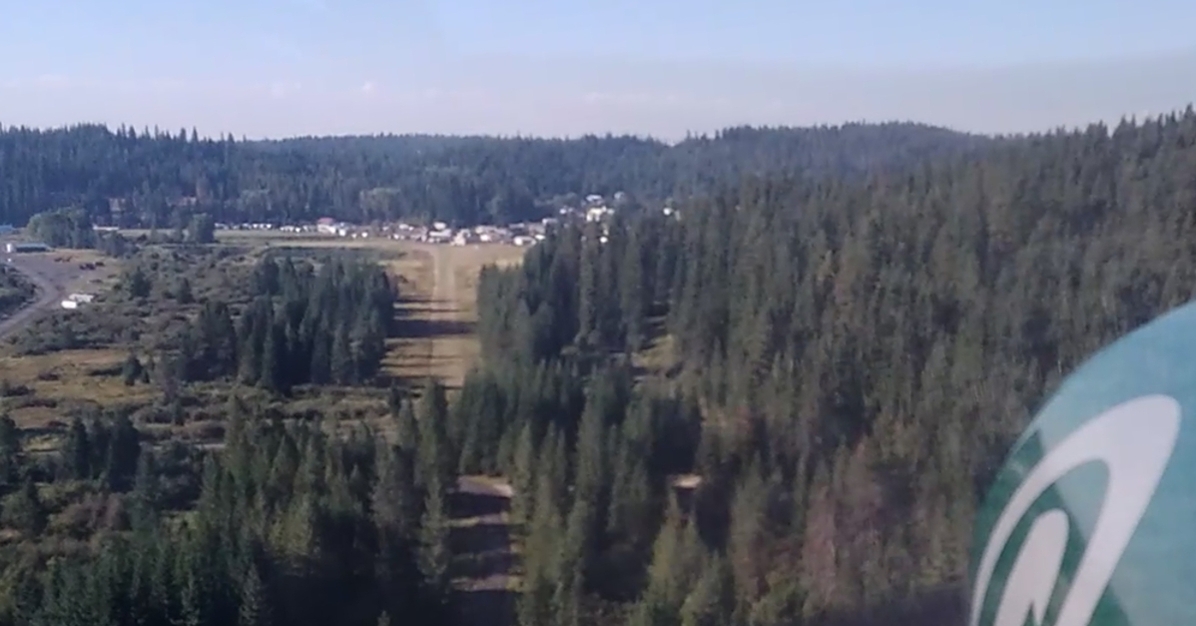
Whether you're just starting out or have been flying for decades, the tailwheel endorsement is for pilots wanting to enhance their flying skills and open up a wide array of classic and backcountry aircraft possibilities.
I like to say that in tailwheel flying, every action has an equal and opposite CHAIN reaction. Because tailwheel airplanes are inherently unstable on the ground, this reaction can cause a series of chain reactions for the unexpecting pilot. The tailwheel endorsement is all about understanding and anticipating the chain and stopping it early. This deepens your understanding of stick and rudder flying and sharpens your skills as a pilot - regardless of what you fly.
And if you're just starting your flight training, you won't know the difference. Instead, you'll "grow up" using your feet from day one, making the rest of your training far easier.
what to expect
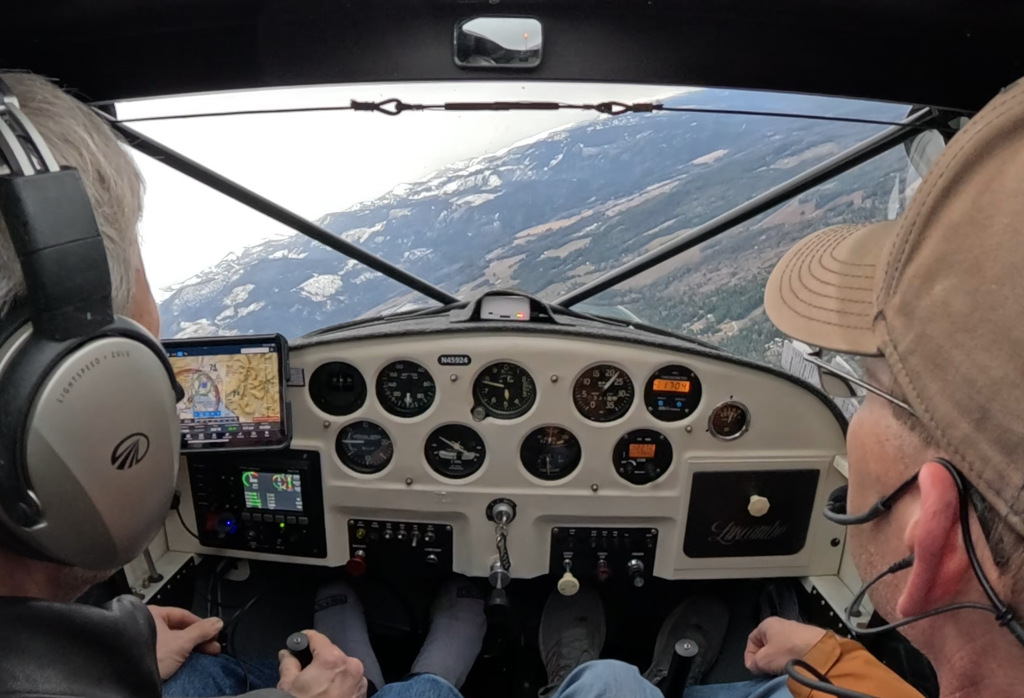
Training for the tailwheel endorsement is customized to each student, but my general approach starts before your first lesson with a list of recommendations for home study. When you get here there will typically be about an hour of ground training, followed by tailwheel ground operations in the aircraft, working our way towards high-speed, tail-up taxing. This is where the real learning starts and where pilots are required to stay calm, anticipate, and use finesse over power to ‘keep it straight’ on the runway. From there we’ll move on to air-work, flying a number of exercises designed to teach the sights, sounds, and feel of true stick and rudder flying. Coming back to the airport we’ll move into pattern work, starting with low passes over the runway to practice proper alignment, wind correction, sight pictures, all the while learning smooth control technique with finesse. Then we'll move into 3-point landings, wheel landing, and finally crosswind landings. Depending on conditions and student desires, we’ll try to incorporate some grass strips into the schedule.
The Luscombe is an honest airplane - it does exactly what the pilot tells it to do - right now! With its powerful and responsive controls, it's highly capable but also points out sloppy technique in the air or on the ground. This is what makes the Luscombe an excellent trainer - requiring high standards to fly well and makes transition into many other aircraft easier.
The tailwheel endorsement typically takes around 10 hours. But this depends on a number of factors, not the least of which is the student's ability to multi-task while paying attention to details.